
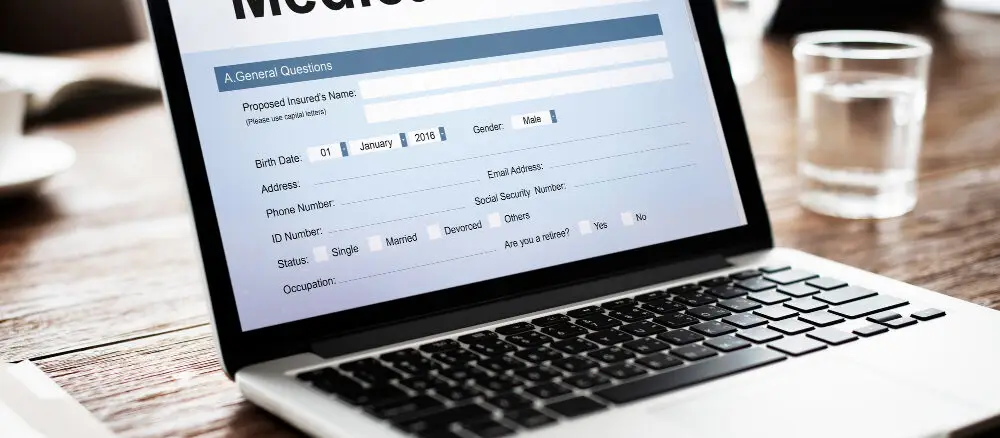
Is Your medical records are safe? In a world where nearly everything is digital, it’s natural to wonder whether your medical records are truly safe. The good news? Today’s healthcare systems use some of the strongest security tools available to protect your medical records. From advanced encryption to strict privacy laws, your information is more secure now than ever before.
Below is a simple, patient-friendly guide to help you understand how your records stay protected—and how you can play a role in keeping them safe.
Why Your Medical Records Matter
Your medical records contain details about your health history, medications, allergies, test results, and more. These records help your care team:
- Make accurate diagnoses
- Avoid medication errors
- Coordinate care across specialists
- Track your long-term health
Because this information is important and sensitive, protecting it is a top priority for healthcare providers.
How Healthcare Providers Keep Your Medical Records Safe
1. Strong Encryption
Think of encryption as a secure lock that keeps your information scrambled and unreadable to anyone who doesn’t have permission. Hospitals and clinics use advanced encryption to protect your data whether it’s stored in a computer or sent electronically between providers.
2. Secure Electronic Health Record (EHR) Systems
Modern EHR systems follow strict national standards. They are regularly updated, monitored, and tested to prevent unauthorized access. These systems track every login and every change, making it easier to detect any unusual activity.
3. HIPAA Regulations Protect You
The Health Insurance Portability and Accountability Act (HIPAA) sets national rules for how your medical information can be stored, shared, or accessed. Violating HIPAA carries serious penalties, which motivates organizations to maintain the highest standards of security and privacy.
4. Controlled Access
Only authorized healthcare professionals can access your medical records—and only when they need the information to treat you. This ensures your data is seen strictly on a “need-to-know” basis.
5. Regular Security Training
Doctors, nurses, and office staff receive ongoing training on how to protect patient information. This helps prevent mistakes and ensures everyone understands their responsibility in keeping your records confidential.
New Technologies Are Making Your Medical Records Even Safer
Security tools continue to evolve. Today, many healthcare systems also use:
- Multi-factor authentication (extra verification steps before staff can access records)
- Real-time monitoring systems that detect suspicious activity
- Secure patient portals that allow you to view records safely from home
- Cloud-based systems with high-level firewalls and disaster recovery protections
These advancements help protect your data from cyber threats while ensuring your records are always accessible to the professionals caring for you.
How You Can Help Keep Your Records Safe
Patients also play a role in keeping their information secure. Here are a few simple steps:
- Use strong passwords for patient portals and avoid sharing them with others.
- Login only from secure devices (avoid public Wi-Fi when viewing your records).
- Keep your contact information updated so your healthcare provider can reach you if needed.
- Ask questions—your healthcare team is always happy to explain how your records are protected.
The Bottom Line
Your medical records are safer now than ever before. With advanced technology, strict privacy laws, and highly trained healthcare teams, your information is protected at every step. And by staying informed and using secure habits, you can help keep your personal health information safe and confidential.
If you have questions about accessing or protecting your medical records, your provider’s office is always ready to help.
Have additional question, do not hesitate to contact us!
In additional if you would like explore additional resource on topic, here are some great find
Here are several excellent external links — from trusted experts and organizations — that you can include in your blog for further reading and credibility:
- American Health Information Management Association (AHIMA) — “Privacy & Security” resource page covering best practices for protecting health information.
Link: https://www.ahima.org/education-events/privacy-and-security/
Why it’s useful: It’s focused on how health-information professionals safeguard patient records and stay current with evolving regulations. - U.S. Department of Health & Human Services (HHS) — “Summary of the HIPAA Privacy Rule” for understanding federal legal protections of health records.
Link: https://www.hhs.gov/hipaa/for-professionals/privacy/laws-regulations/index.html
Why it’s useful: Gives authoritative federal context about who is covered, what “protected health information” means, and how it can be used/disclosed. - Research article: “Data Privacy in Healthcare: Global Challenges and Solutions” — academic exploration of privacy frameworks such as GDPR and HIPAA.
Link: https://pmc.ncbi.nlm.nih.gov/articles/PMC12138216/
Why it’s useful: Provides broader context on data-privacy trends globally, useful for readers curious beyond U.S.-only topics.